

Sometimes everything in a project seems to run smoothly. The schedule is accurate, the agreements are made, the dashboards are green. And yet, little happens. It feels like the project is ongoing but not progressing.
I have experienced that several times. Projects where I had the structure perfectly organized, but the team mainly executed without taking ownership. Where energy drained away between checklists and status meetings.
Only when I consciously allowed space to emerge did I see what was missing: trust and ownership. A project manager is never better than their team. And that team truly thrives only when it feels the freedom to take real responsibility.
The Illusion of control
For a long time, I believed that grip and control were the essence of good leadership. That having an overview, planning, and clear agreements were the keys to success. Until I discovered that control often does the opposite; the more I tried to manage, the less progress I saw.
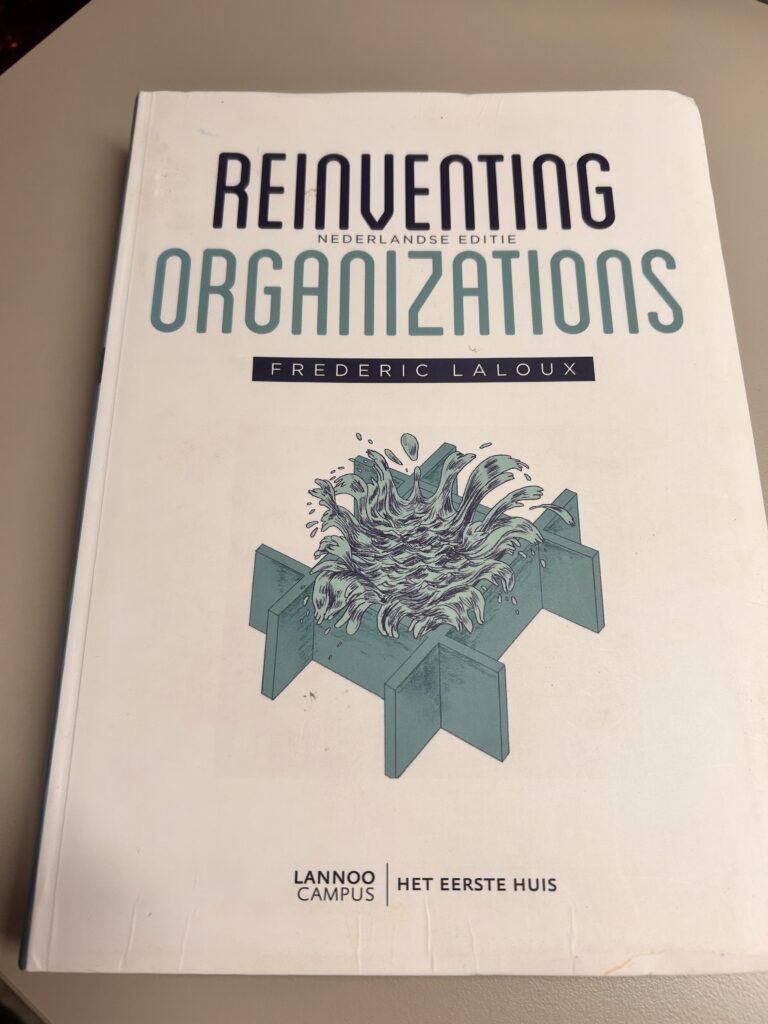
Frederic Laloux describes this beautifully in Reinventing Organizations:
“Control is an illusion we cling to. The more we let go, the more order we find.”
The sentence lingered. Because it takes courage to let go. Truly let go.
Not because you are indifferent, but because you trust the craftsmanship of others. Control feels safe, but space creates growth.

The art of giving space
Giving space is not the same as leaving people to their own devices. It is consciously creating space so that others can contribute, choose, and learn. Instead of providing all the answers, you ask questions. Instead of planning every step, you create frameworks within which the team can operate.
In one of my projects, I asked my team:
“What would you do differently if you were allowed to manage the project entirely on your own?”
The silence that followed was at first awkward and then worth its weight in gold. Because in that silence something new emerged: initiative. People started thinking, consulting, prioritizing on their own. The quality of decisions improved, and I had to push less. On paper, this all sounds great, but this is not something that happens overnight. It requires a new way of working that people really need to get used to. So give yourself space too. Space in the schedule to let this process evolve.
Giving space is not a management trick, but a choice. It is leadership that starts with trust: trust that your people can do more than you think.
From project to process
Projects are often designed with a beginning and an end. But real change does not adhere to deadlines. As ownership grows, a project becomes a living process: something that continues, adapts, and evolves.
Then the role of the project manager shifts. You are no longer the one pulling at the front or pushing from behind, but the one who maintains the rhythm: fast enough to keep momentum, slow enough for everyone to keep up.
The most beautiful moment in such a process? It is when you realize that the team performs better without you. Not because you have become unnecessary, but because you have created space for their strengths.
The power of the middle
Perhaps that is what leadership is really about: not controlling, but trusting; not directing, but guiding through space.
The art is to stand in the middle, not above or ahead of the team, but among people, where collaboration and ownership intersect.
Because there, in the middle, between control and chaos, it happens. That is where trust grows. That is where the team thrives. And it is exactly there that lasting change emerges.